
Top 5 Reasons to Boost Digital Simulation in Health Professional Education Today
Digital simulation is transforming how health professionals learn and practice their skills. With advances in technology, simulation offers a safe, flexible, and effective way to prepare students and practitioners for real-world clinical challenges. This post explores five key reasons why digital simulation deserves a larger role in health professional education today.
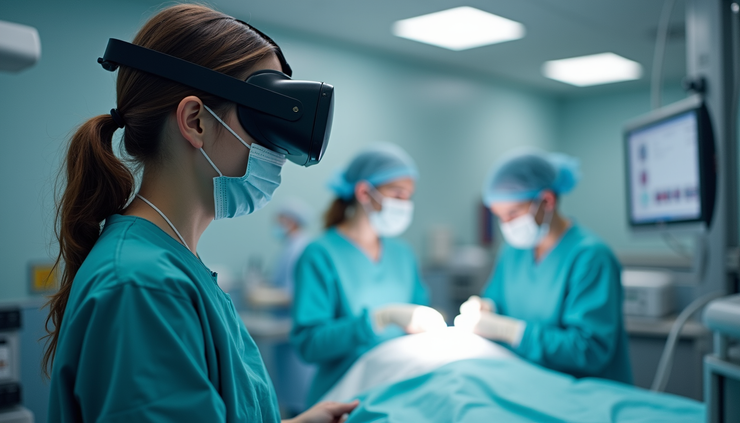
1. Safe Environment for Learning and Mistakes
One of the biggest advantages of digital simulation is the ability to practice without risk to patients. Health professionals can repeat procedures, make decisions, and experience consequences in a virtual setting. This reduces anxiety and builds confidence before working with real patients.
For example, nursing students can practice inserting IV lines or managing emergencies multiple times until they master the skills. Mistakes become valuable learning moments rather than dangerous errors. This safety net encourages experimentation and deeper understanding.
2. Access to Diverse Clinical Scenarios
Digital simulation can recreate a wide range of clinical cases that students might not encounter during traditional training. This variety helps learners develop critical thinking and adaptability.
Simulations can include rare diseases, complex surgeries, or emergency situations that require quick decision-making. For instance, a paramedic student might simulate responding to a multi-casualty accident, gaining experience that would be difficult to replicate in real life.
This exposure prepares health professionals to handle unexpected challenges confidently and competently.
3. Flexible and Convenient Learning
Digital simulation allows learners to access training anytime and anywhere. This flexibility supports different learning styles and schedules, making education more inclusive.
Students can use simulation software on computers or mobile devices at home or in the classroom. This reduces the need for physical labs or clinical placements, which can be limited by resources or location.
For example, a medical student in a rural area can practice surgical techniques virtually without traveling to a major hospital. This convenience helps bridge gaps in education access and supports continuous learning.

4. Immediate Feedback and Performance Tracking
Digital simulation platforms often include tools to provide instant feedback on performance. This feature helps learners identify strengths and areas for improvement quickly.
For example, a dental student practicing cavity preparation can receive real-time guidance on technique and precision. The system can track progress over time, allowing educators to tailor instruction based on individual needs.
This data-driven approach supports more effective learning and skill development compared to traditional methods relying solely on instructor observation.
5. Cost-Effective Training Solution
While initial setup costs for digital simulation can be significant, it often reduces long-term expenses related to physical materials, equipment, and clinical placements.
Simulations eliminate the need for disposable supplies and reduce wear on expensive medical devices. They also minimize the risk of patient harm, which can lead to costly legal and ethical issues.
Institutions can train more students simultaneously without requiring additional clinical sites or instructors. This scalability makes digital simulation a practical investment for expanding health professional education programs.
Digital simulation offers a powerful way to enhance health professional education by providing safe, diverse, flexible, feedback-rich, and cost-effective training. As healthcare continues to evolve, embracing these tools will better prepare practitioners to deliver high-quality care.
For educators and institutions, the next step is to explore how digital simulation can integrate with existing curricula and meet specific learning goals. For students and professionals, seeking out simulation opportunities can accelerate skill development and confidence.


Comments